Cape Town South Africa
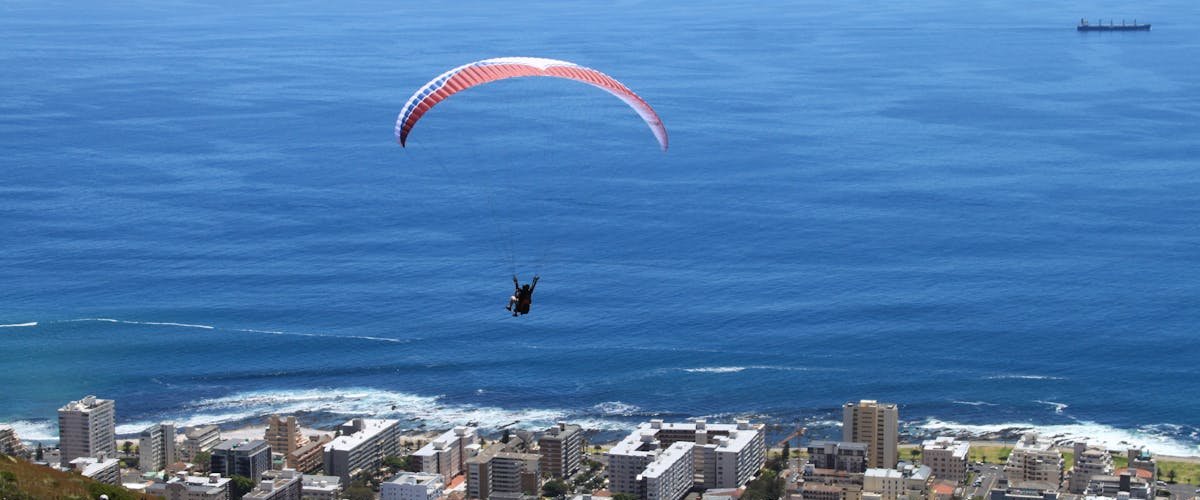
Cape Town scores 7.9/10. 52 Mbps average internet, ~1,600 USD/month, UTC+2 (ideal for EU teams), and Table Mountain out your window.
 Afrikaans, English, Southern Ndebele, Northern Sotho, Southern Sotho R South African rand (ZAR)
UTC+02:00 Southern Africa
Afrikaans, English, Southern Ndebele, Northern Sotho, Southern Sotho R South African rand (ZAR)
UTC+02:00 Southern Africa At a Glance
City Quick Facts
Monthly Budget
€1600 (Budget)
WiFi Speed
52 Mbps
Reliability
good
Best Months
Oct, Nov, Dec, Jan, Feb, Mar, Apr
Coworking Day Pass
€15
Visa
Max Stay: 90 days
Air Quality
Good AQI 18
Currency Converter
Nearby Places
Coworking Spaces 2
Cafés with WiFi 17
- Lola's Cafe
228 Long Street
- Copacabana Cafe
Bloem Street
- The Conscious Kitchen
34 Kloof Street Cape Town
- Truth Coffee Roasting
- Café Frank
160 Breë Street Cape Town
- Motherland Coffee
- The Ladder
136 Breë Street
- Café Societi
- Neighborgood CBD
Breë Street
- Rosetta Roastery Cafe
101 Cnr Breë Street & Shortmarket Street Cape Town
- Lazari
- The Blue Cafe
13 Brownlow Road Cape Town
- {field office}
- Shift Espresso Bar
Glengariff Road
- Naked
Wisbeach Road
- Vida e Caffè
- St James Coffee
Overview
Table Mountain on one side, the Atlantic on the other. Cape Town sits at the intersection of outdoor lifestyle and growing tech infrastructure. The UTC+2 timezone overlaps well with European work hours. Coworking spaces like Workshop17 have backup generators for load shedding. At ~1,600 USD/month all-in, the ZAR exchange rate works heavily in favor of anyone earning foreign currency. Hiking, surfing, and wine country are all within an hour.
Work Infrastructure
Cape Town's internet infrastructure averages 52 Mbps with 87% reliability. Fiber rollout has expanded significantly, and most coworking spaces offer speeds of 100+ Mbps. The city boasts around 25 coworking spaces, including Workshop17, Inner City Ideas Cartel, and Woodstock Exchange. Day passes cost about 15 USD, with monthly memberships around 120 USD. Load shedding (scheduled power outages) has been a concern historically, but most coworking spaces have backup power and generators.
Neighborhoods
Woodstock is the creative and startup hub — converted warehouses, street art, the famous Old Biscuit Mill market, and several coworking spaces. De Waterkant and Green Point offer a trendy, walkable urban lifestyle near the V&A Waterfront. Sea Point is popular for its ocean promenade and colorful food scene. Camps Bay and Clifton are stunning but pricier — best for those who want beach luxury. Observatory offers student-area affordability with a bohemian edge.
Cost of Living
Cape Town is very affordable for those earning in USD, EUR, or GBP. Monthly expenses average around 1600 USD. Rent for a one-bedroom apartment runs about 650 USD. Coworking memberships cost around 120 USD. Meals out average 7 USD, and coffee is about 2 USD. The favorable ZAR exchange rate makes Cape Town exceptional value, especially for the quality of life and infrastructure on offer.
Pros & Cons
Cape Town's strengths are its breathtaking natural setting, excellent coworking infrastructure, favorable time zone for EU collaboration (UTC+2), affordable living, and energetic food and wine scene. The outdoor lifestyle — hiking, surfing, beaches — is unparalleled. However, safety concerns require awareness (avoid walking alone at night in certain areas), load shedding can disrupt work, public transport is limited (a car helps), and the city can feel isolated from the rest of Africa.
Best Time to Visit
Cape Town's best months for a workation are October through April (Southern Hemisphere summer). Temperatures range from 20-28°C with long sunny days. January and February are peak summer — warm, dry, and perfect for outdoor activities. Winter (May-September) brings rain and cooler temperatures (10-16°C) but is still workable and significantly cheaper for accommodation.
Climate Overview
| Jan | Feb | Mar | Apr | May | Jun | Jul | Aug | Sep | Oct | Nov | Dec | |
|---|---|---|---|---|---|---|---|---|---|---|---|---|
| Temperature (°C) | 22 | 22 | 20 | 20 | 16 | 14 | 13 | 13 | 16 | 17 | 21 | 22 |
| Rainy days | 1 | 4 | 3 | 3 | 8 | 15 | 12 | 11 | 3 | 8 | 1 | 2 |
| Sun hours/day | 0.4 | 0.4 | 0.3 | 0.3 | 0.3 | 0.2 | 0.2 | 0.3 | 0.3 | 0.4 | 0.4 | 0.4 |
Pros & Cons
Pros
- ✓ Stunning natural beauty
- ✓ Excellent coworking infrastructure
- ✓ Favorable EU time zone (UTC+2)
- ✓ Affordable living
- ✓ World-class food and wine
Cons
- ✗ Safety concerns in some areas
- ✗ Load shedding disruptions
- ✗ Limited public transport
- ✗ Geographic isolation
FAQ
What is the average internet speed in Cape Town?
The average internet speed is 52 Mbps with 87% reliability. Coworking spaces typically offer 100+ Mbps with backup power.
Is load shedding a problem for remote workers?
Load shedding has been a concern, but most coworking spaces have generators and UPS systems. Fiber internet usually stays connected during outages.
How affordable is Cape Town for digital nomads?
Very affordable — estimated monthly costs are around 1600 USD including rent, coworking, and daily expenses.
Which neighborhoods are best for remote workers in Cape Town?
Woodstock for the startup scene, De Waterkant/Green Point for urban lifestyle, Sea Point for ocean views, and Observatory for budget-friendly living.
Do I need a visa to work remotely from South Africa?
Most nationalities get 90-day tourist visas on arrival. South Africa does not yet have a dedicated digital nomad visa, but the tourist visa is commonly used for remote work stays.
All information without guarantee. Data is sourced automatically from third parties.
Parts of this content were created with AI assistance and editorially reviewed.